

Download the database
in a convenient format


Русский
English
Polski


Share
information

Learn more
about the project

Vladimir Ivanovich Masjukovich

Police



Request to delete data

I know them!
Profile 0b8621b7
Full name
Vladimir Ivanovich Masjukovich
Birthday
1982-07-17
Workplaces, positions
Senior inspector of Corrective Labor Colony No. 2 of the Mogilev Regional Executive Committee Department of Internal Affairs. Major of the Internal Service.
Description of crimes
Suspected of involvement in crimes against Belarusian citizens within Correctional Labor Colony No. 2 of the Department of Internal Affairs of the Mogilev Regional Executive Committee. The conditions of prisoners' confinement, particularly those classified as political detainees, fail to meet humane standards. Incidents involving political prisoners often stem from orchestrated provocations by the colony's supervisors and employees of the Department of Internal Affairs. These occurrences result in a harsher detention environment. Furthermore, while inmates are permitted to socialize and converse, associating with political prisoners brings about significant challenges. Former inmates' accounts reveal that Department of Internal Affairs personnel issued threats and warnings such as "consider carefully with whom you associate." Moreover, in contrast to regular inmates, political detainees do not receive compensation for their labor. Illustrating this, a case described by political prisoner Igor Kapanayko, a military retiree convicted under politically motivated charges of "hooliganism," highlights that "almost all detainees are assigned work duties. ... The population is divided into two main groups. One group is tasked to work in the industrial zone, where numerous specialties exist. They work six days a week for eight hours, earning meager wages in return. The maximum amount received is 250 rubles, typically for sewing tasks. Others received no compensation. The second group is assigned to the Rubber Processing Area, working 4-5 days a week, for 3-3.5 hours at a stretch. Their job entails extracting metal cords from rubber pieces, demanding specific skills and substantial physical exertion. Consequently, nearly all political detainees are allocated to this section without being remunerated."
ID number
317078***
Mobile phone number
+37544***
Social media pages
City, district, region
Bobruisk
Street, house, building, apartment
ул. Ми***
Resources
Found in databases

Bulb-ash

Дзікае паляванне

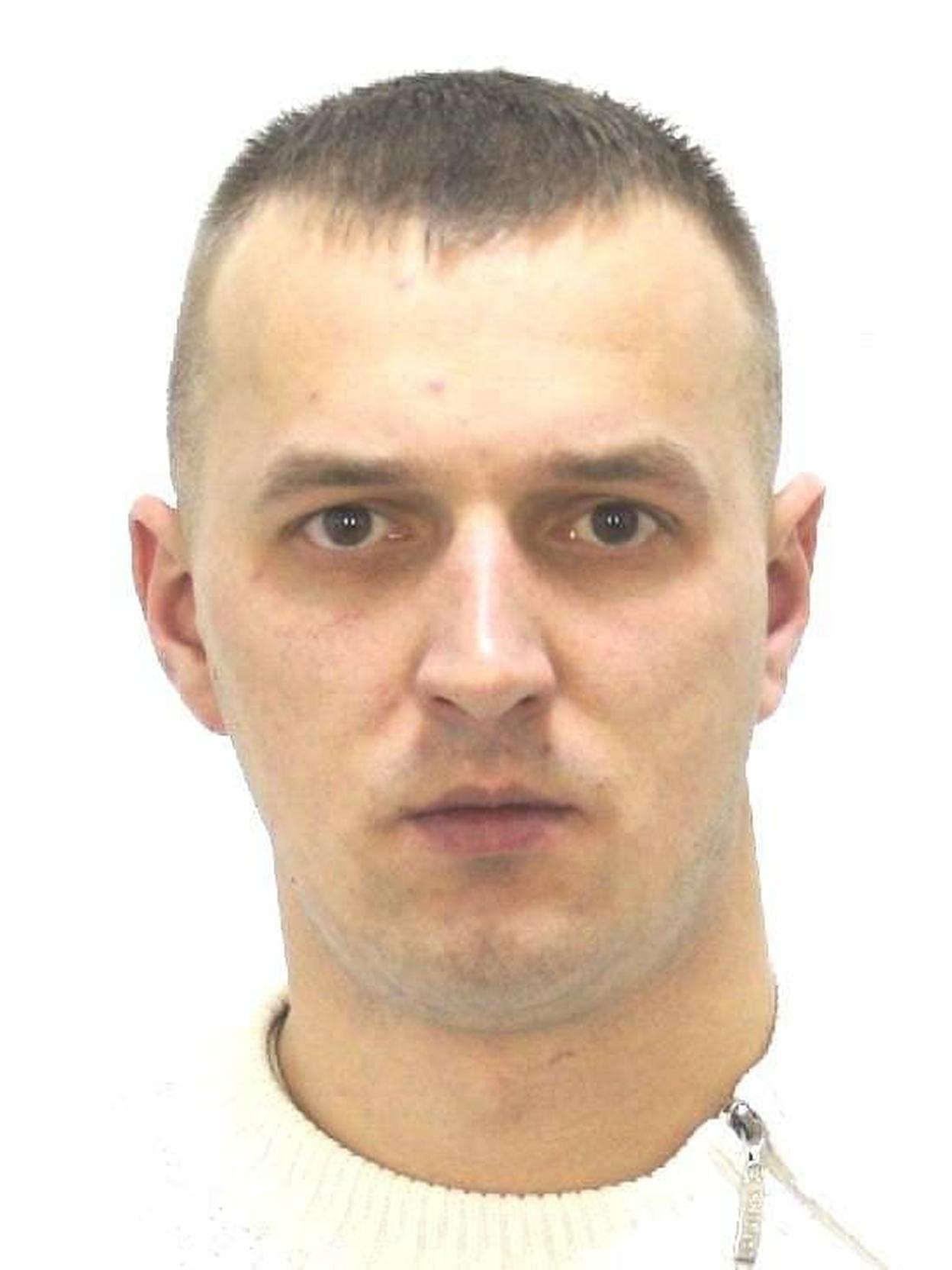
Photos of the criminal

SIMILAR CASES
Andrej Vladimirovich Tropashko
Police
Aleksandr Vladimirovich Sergeev
Police

Ivan Petrovich Lozovskij
Police
Aleksej Vladimirovich Furmanov
Police
Konstantin Sergeevich Kovalev
Police
Dmitrij Igorevich Samsonov
Police
Evgenij Robertovich Chasnojt
Police
Andrej Leonidovich Rusin
Police
Viktorija Anatolevna Divakova
Police
Sergej Valerevich Malahov
Police

LukaZone is an open investigative portal with information about individuals involved in political repression in Belarus and the war in Ukraine.



Our mission is to provide a tool for checking potential partners, clients, employers and employees for involvement in repressions in Belarus and Russian aggression in Ukraine.
Police

Government officials

Judicial system

Education system

State enterprises

Election commissions

Media

Snitches and informers

Other
luka.zone © 2022–2026